The Shift: Everything is carefully planned on a film set - inclusivity should be no different
MAY 2026
Right from the start, WorkWise for Screen has worked in partnership with people from across the screen sector, so that all our resources are relevant, accessible and practical.
We have commissioned this series of opinion editorials as we believe that having industry perspectives are vital to move the conversation from theory to practical reality. We hope you feel the same and want to join that conversation either here or on our LinkedIn.
As always, the views and opinions expressed in this article are those of the author.
On a film set, everything is planned - call sheets, schedules and contingencies. Yet when it comes to disability and access, some parts of the industry still behave like it is an unexpected plot twist.
In screen production we plan for everything, and this should include the one thing that should be easiest to anticipate: people.
As a blind dad, I do not just parent my children, I also manage the assumptions that come with me. Will my kids absorb the world’s idea that I am less capable. If I get something wrong, will it be labelled disability rather than parenting.
That is why this matters in the screen sector too. Representation is not just what ends up on screen. It is also the choices behind the scenes that decide who gets to take up space.
Even when my access requirements have been agreed in advance, I can still arrive and get asked ‘where is your assistant?’ - I do not have one. What can get missed is not support but the basics of how I receive information. Accessible documents, clear directions and a quick orientation should always be routine, not a last minute scramble.
When access is built in early, it becomes straightforward. For me, that means scripts in an editable format in advance so I can use my Braille display or I can print it in Braille. It means a quick verbal orientation on arrival, so I know toilets, exits, tea point and who is sat where. It also means a culture where people ask what works rather than guessing or tiptoeing around the subject. Everybody’s requirements are different, so have the conversation at the start.
It also means looking honestly at your own organisation. Would someone like me add friction to your process? Would I put a wrench in your workflow? If the answer is yes, then that is not a reason to avoid disabled talent. It is a signal that your systems were built too narrowly. Fix the system, not the person.
Reactive inclusion fails because it becomes an add on, so it is the first thing cut when budgets tighten. Then we act surprised when disabled talent disappears from the pipeline.
It starts long before the first job. Disabled young people struggle to secure basic work experience in the screen industries not because they lack ability, but because organisations panic about support, even when that support already exists.
On Dog Squad*, I do not play a role. I live my life with my guide dog, my wife and our kids. Not as inspiration and not as a lesson, just existing. That is what authentic inclusive storytelling looks like when the crew plans and believes you belong.
Inclusion is not kindness. It is competence. If we want a screen sector that keeps people, we need to treat access like pre-production. You would not wait until cameras roll to decide whether sound will work. So we should not wait to decide whether people will.
*BBC TV’s Dog Squad is a live-action CBeebies children’s show featuring real-life assistance and therapy dogs who use their "superpowers" to help their owners with daily tasks.
About the author
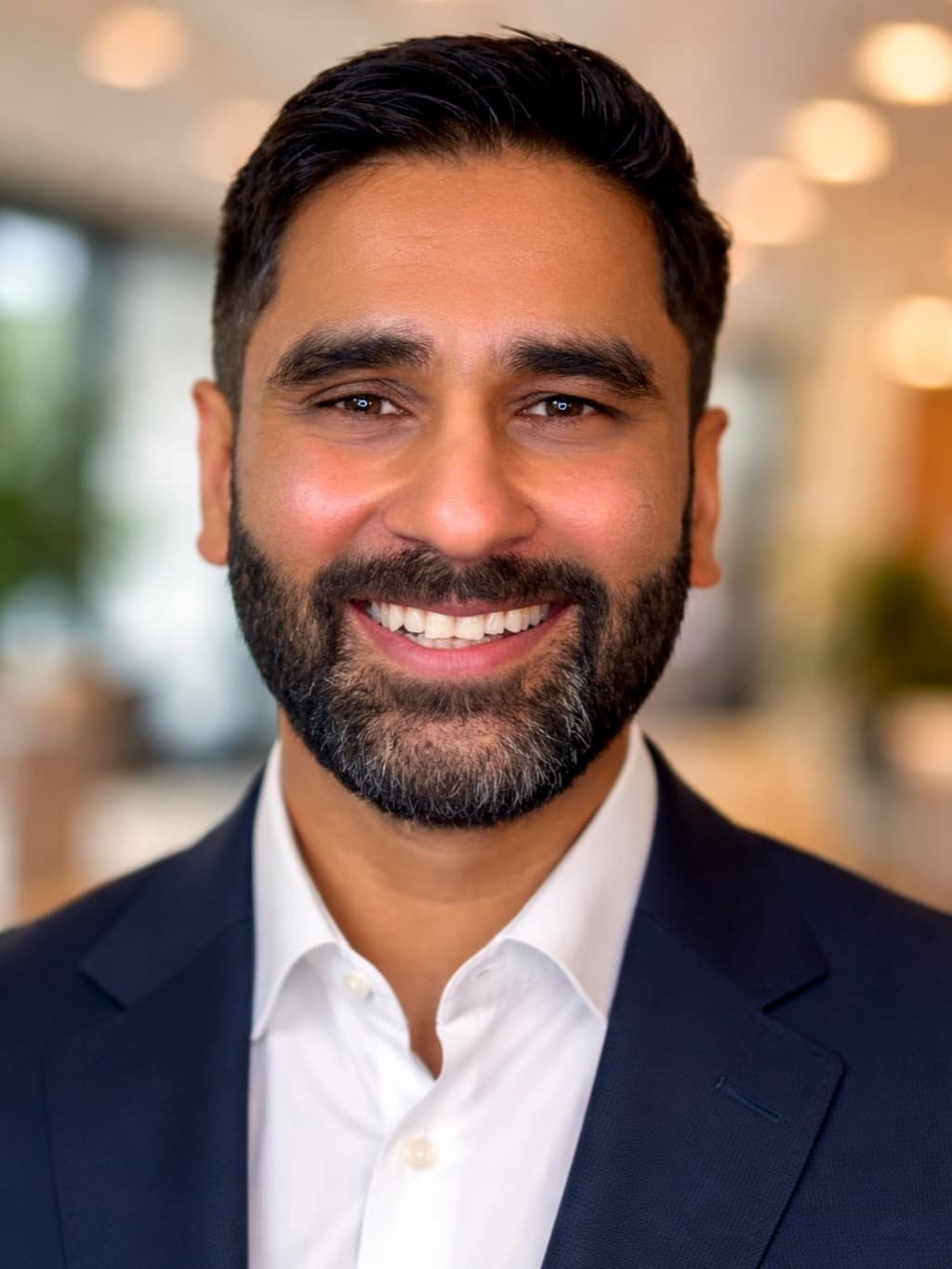
Dr Amit Patel is a best-selling author, broadcaster and DEI consultant. Prior to losing his sight overnight in 2013, Amit worked as a doctor, specialising in emergency medicine.
Today, Amit is an active campaigner for accessibility, diversity and inclusion, speaking out about the issues that disabled people face daily.
Last updated 06/05/2026