The Shift: Storytelling mediums have expanded... and with support, so can the industry
MAY 2026
Right from the start, WorkWise for Screen has worked in partnership with people from across the screen sector, so that all our resources are relevant, accessible and practical.
We have commissioned this series of opinion editorials as we believe that having industry perspectives are vital to move the conversation from theory to practical reality. We hope you feel the same and want to join that conversation either here or on our LinkedIn.
As always, the views and opinions expressed in this article are those of the author.
Something is shifting in how stories get told and in what it means to do good work in the screen sector.
Audiences no longer just watch; they explore, inhabit, and move through narrative worlds that exist across film, VR, games, and graphic novels simultaneously. That creative expansion is genuinely exciting. But it only works if the people powering it are properly supported. We’ve been seeing this firsthand on a project I’ve been developing, The Pirate Queen.
In one iteration, audiences explore a 19th-century Chinese pirate ship through virtual reality, climbing up the hull before finding themselves inside the cannon gallery as a battle erupts around them.
In another version, an immersive installation, dragons swim beneath your feet across a vast projection floor, as the sea swirls across the walls.
In the graphic novel, the same world expands across pages of history and character that simply wouldn’t fit on screen.
Each medium reveals something different.
It’s a very different way of thinking about storytelling from the model many of us grew up with, where a project had to fit neatly into a single category.
Now the question is different.
Instead of asking “what format should this be?”, creators are increasingly asking “what is the best way for this story to be told?”
Sometimes the answer will still be film or television.
But sometimes, the story might begin as an immersive experience, a game, or something that sits somewhere between mediums entirely.
For the screen sector, that opens up a huge opportunity. And seizing this requires more than creative ambition. It requires building the conditions for that ambition to be supported: through clearer skills pathways, better knowledge sharing between disciplines, and mentorship structures that help practitioners move fluidly between formats without having to start from scratch every time
A strong narrative world doesn’t have to live in one place anymore. It can reach audiences in different ways, across different platforms, revealing different layers of the same story.
If anything, that doesn’t dilute storytelling. It expands it. And it can expand the sector - but only if we invest in the people navigating it.
Because the most interesting stories rarely stay inside the box. And neither should the people telling them.
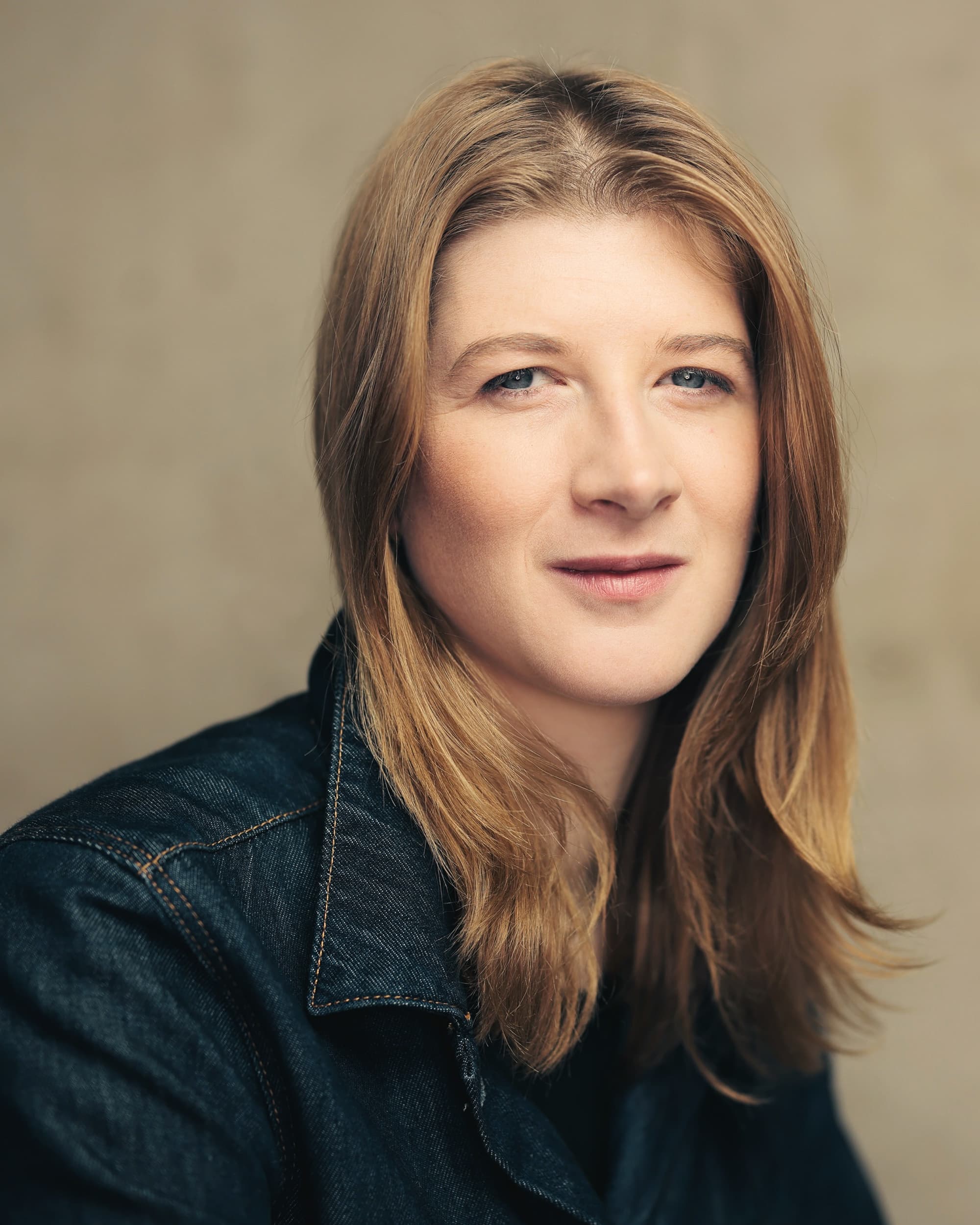
Eloise Singer is an Emmy-nominated, multi-award-winning producer, writer, and director, and the founder of Singer Studios, known for bold, genre-defining storytelling across film, television, podcasts, and immersive media. She is the creator of The Pirate Queen, a transmedia franchise spanning immersive media, publishing, and television.
Singer created, co-wrote, and directed The Pirate Queen (2024), starring Lucy Liu, which premiered to critical acclaim, winning the Storyscapes Award at Tribeca, receiving Emmy® and PGA nominations, and becoming a #1 bestseller in China. She later created, co-wrote, and directed Mrs Benz (2025), starring Daisy Ridley, which premiered at Cannes, Venice, Berlinale, SXSW, and Sheffield, receiving widespread praise and multiple award nominations, including the Grand Jury Prize at Venice.
Her latest project, The Pirate Queen: No Safe Waters, premieres at Cannes Film Festival, 2026. She is currently co-writing The Pirate Queen graphic novel series with Lucy Liu while expanding the franchise into television.
Singer has also executive produced Rare Beasts, directed by and starring Billie Piper, and The Last Rifleman, starring Pierce Brosnan. Her work has been showcased at leading festivals worldwide and is widely recognised for its distinctive voice and innovative approach to contemporary storytelling.
Last updated 20/05/2026