The Shift: Treat people with dignity - and not just because the law says so
JUNE 2026
Right from the start, WorkWise for Screen has worked in partnership with people from across the screen sector, so that all our resources are relevant, accessible and practical.
We have commissioned this series of opinion editorials as we believe that having industry perspectives are vital to move the conversation from theory to practical reality. We hope you feel the same and want to join that conversation either here or on our LinkedIn.
As always, the views and opinions expressed in this article are those of the author.
As an employment lawyer advising clients across the creative industries, including in Film, TV and Gaming, I see fluid working arrangements that are shaped by the realities of production: tight schedules, shifting teams, specialist skills brought in for a particular phase, and a heavy reliance on freelancers. Remote working has added another layer too, with people contributing from different parts of the UK and, increasingly, from different jurisdictions altogether. In my experience, that is how much of the sector functions, and it supports real flexibility and creativity.
But there is a downside to that - it can make the basics of good working practice harder to achieve and maintain, particularly for smaller independent companies and those that are scaling quickly. When your workforce changes frequently, induction may be rushed, expectations are assumed rather than explained properly, and standards can drift. There may also be an assumption, even unconsciously, that someone engaged for a short period is less deserving of time, clarity or support, than a more permanent member of staff.
Employment status adds to the complexity. Whether someone is an employee, a worker, genuinely self-employed, engaged through a loan-out company, or supplied by some other third party, it can affect what rights apply and what processes you should follow. It is not always clear, and even experienced advisers can disagree at the margins.
Company founders, producers and studio leaders did not set out to become experts in HR and employment law. Often the first time an issue becomes visible is when something goes wrong - a grievance, an acrimonious departure, a problem that escalates because nobody was quite sure how to deal with it. Practically speaking, taking stock, even briefly and periodically, is one of the best ways to get ahead of an issue.
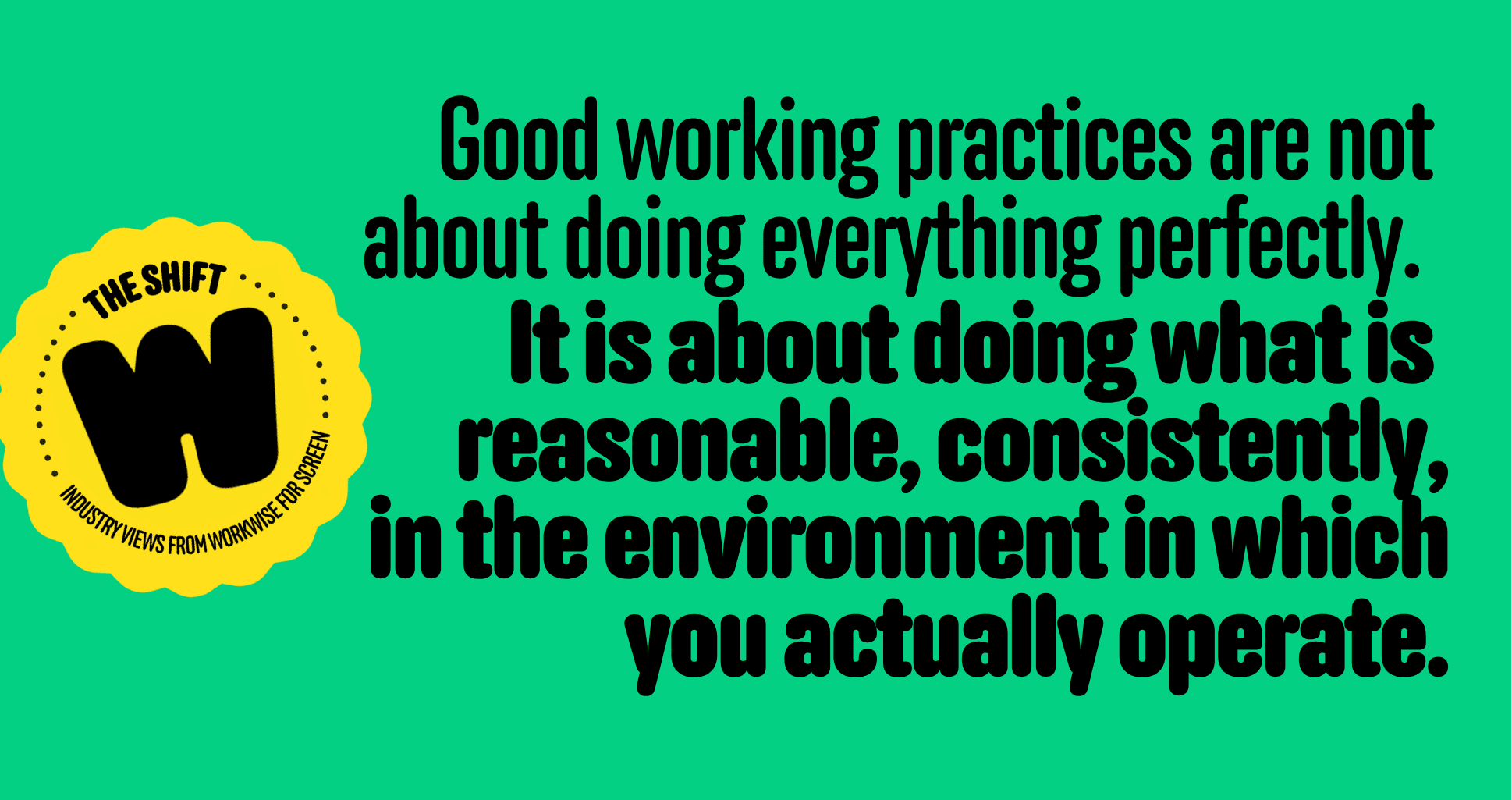
Good working practices are not about doing everything perfectly. It is about doing what is reasonable, consistently, in the environment in which you actually operate. The upshot from a commercial perspective is that clear expectations, better onboarding, and a credible way to raise concerns and to address them early doors can improve productivity, accountability and collaboration. People who are treated with dignity and respect are less likely to feel aggrieved. And this will help to attract and retain the people you most want to work with.
There is, of course, a compliance 'stick'. New employment laws have arrived recently, and more change is on the horizon. But focusing solely on legal risk potentially misses the bigger opportunity to build a more positive and healthy working environment for all.
About the author
Martin Tynan is a senior employment lawyer at Lee & Thompson LLP, advising clients across the creative industries on a broad range of employment law matters.
Martin has particular expertise in the Film & TV sector where he supports production companies on a wide range of employment issues throughout the production lifecycle, from contracting crew members to handling personnel issues arising during production.
Before qualifying as a solicitor in 2017, Martin worked as a paralegal at a leading UK film production and distribution company, giving him first-hand industry experience.

Last updated 03/06/2026